DLAB Branding Atelier
Four years later, the data says that generation exists — and that it's going to weigh a lot more than it seemed then.
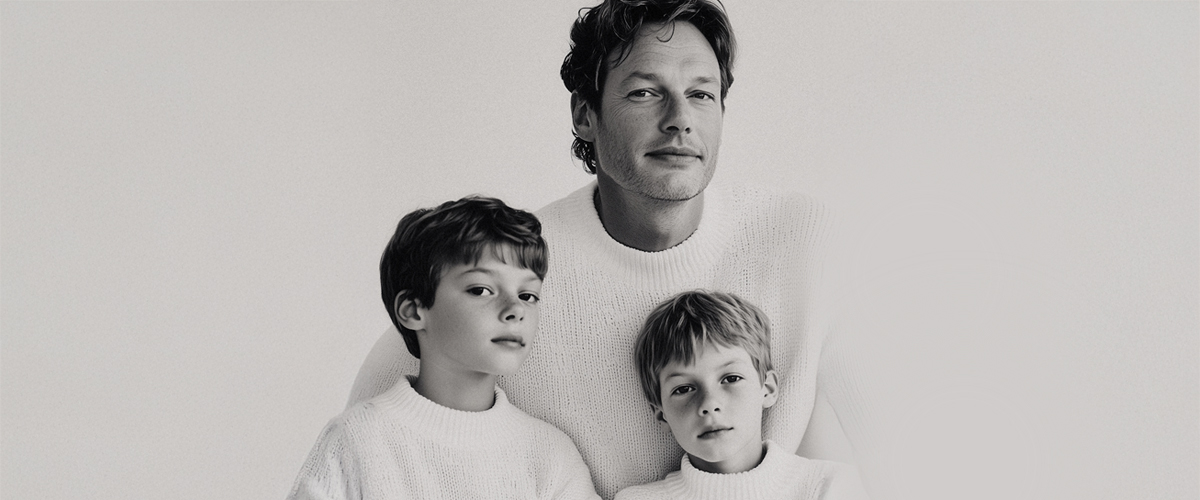
In 2022, from Amandín, a producer of plant-based drinks, an intuition came to DLAB that at the time was exactly that: an intuition, with no figures of its own to back it up yet. The reading was as follows: in a few years, a significant segment of people between 50 and 60 years of age were going to decide to live in a much more active way than that same age group twenty years earlier. And that change in habits was going to require products that did not yet exist.
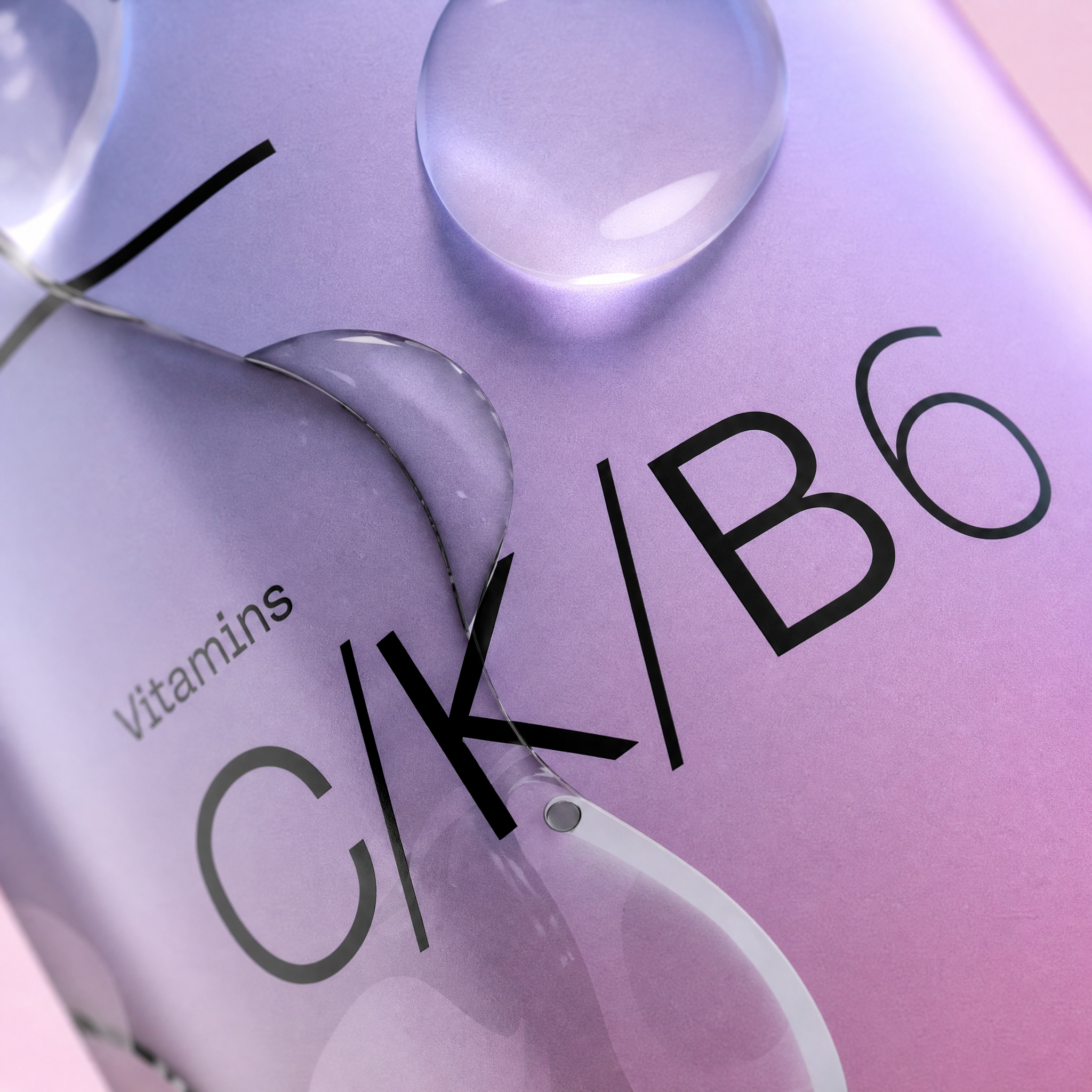
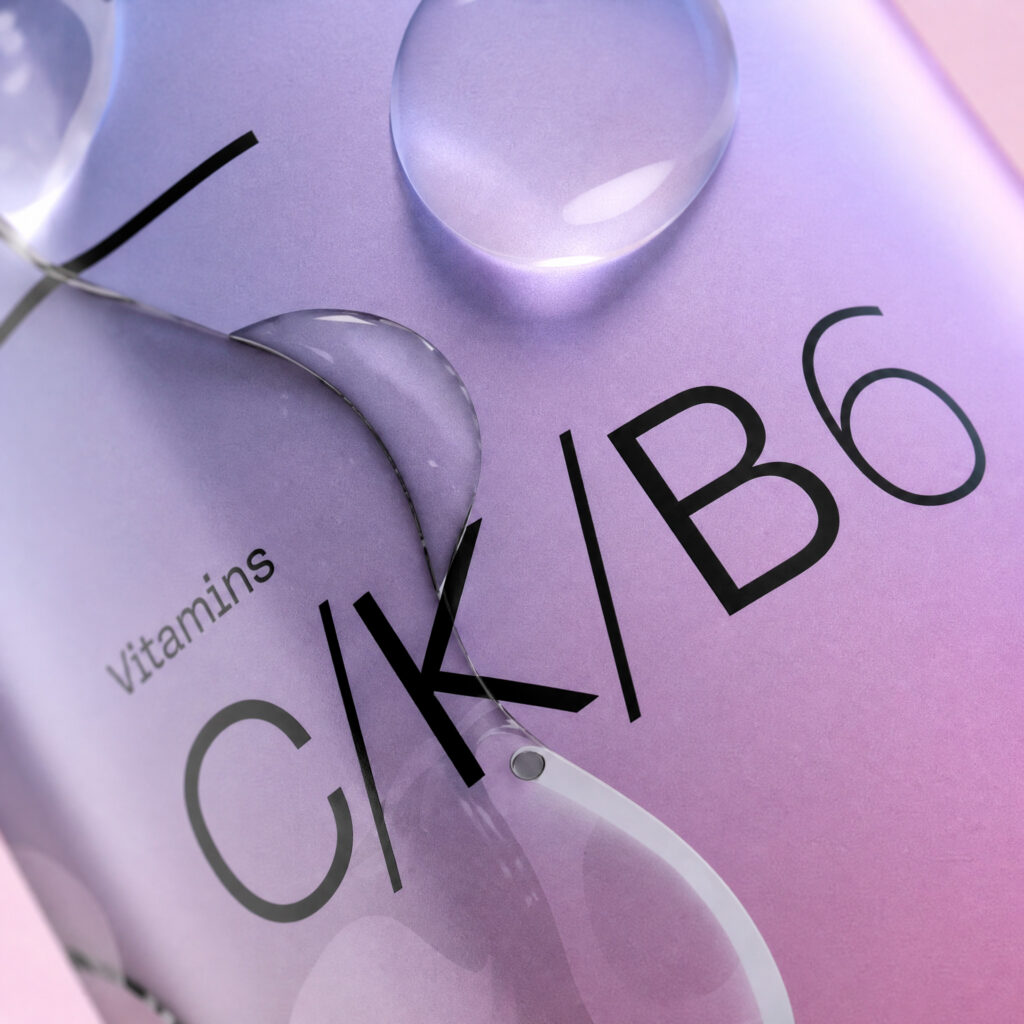
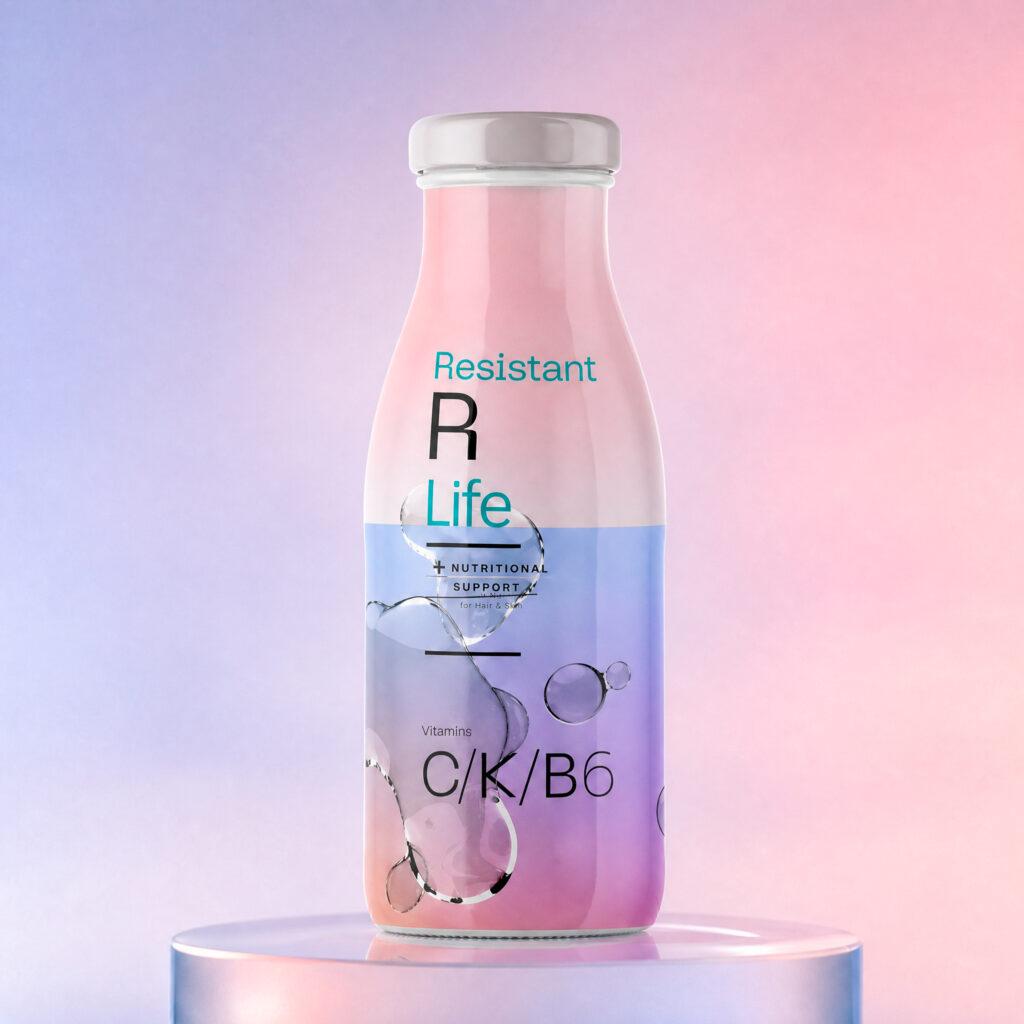
From that reading was born Resistant: a plant-based drink with vitamins C, K and B6, designed to sustain an active life – including skin and hair care, not just physical performance. At DLAB we work on the complete project: naming, brand identity, positioning and packaging. Resistant had everything it took to go to market, except for one thing: to go to market. The project remained in the internal phase. Not because of a lack of work, but because betting on a category that is not yet consolidated requires a leap that does not always coincide with the moment of a company.
Four years later, in 2026, it is worth looking at what has happened to that intuition. And what the data say is that it was going in the right direction, although at the time there was no way to prove it with its own figures.
The wellness economy reached $6.8 trillion globally in 2024, 7.9% more than the previous year, with a forecast of $9.8 trillion by 2029. The Global Wellness Institute's own report explicitly attributes this acceleration to "an ageing population" and "a market focused on prevention and longevity". It is not a niche category: it already surpasses the global sports sector and almost quadruples the pharmaceutical industry.
The same institute identifies, in its active ageing trends for 2026, a fundamental change: the concept of "anti-ageing" is losing weight in the face of what they call "functional longevity" – strength, mobility and mental clarity over appearing young. The goal is no longer so much to live longer, but to live longer in conditions to live them actively and autonomously. It is, almost word for word, what Resistant proposed in 2022: a drink designed not to look young, but to sustain an active life.
In Spain, demographic change is already measurable. There are 19 million people over the age of 50 – 40% of the population – a figure that will rise to about 22 million (45%) by 2030. And it is not just a matter of volume: this group already controls about 55% of spending in sectors such as health, tourism and technology, well above its demographic weight. In the United States, the Longevity Economy Outlook 2026 report puts the economic activity generated by those over 50 at $12.5 trillion per year, with spending on health and wellness technology growing by 62% since 2018.
The nutricosmetics market – vitamins and supplements aimed at skin and hair, exactly the category in which Resistant was positioned with its vitamins C, K and B6 – will grow from $6.9 billion in 2021 to $13.77 billion in 2030, almost doubling, and industry reports point directly to population aging as one of its main drivers.
It is worth adding an honest nuance, because not everything points in the same direction in a simple way. A longitudinal study with Canadian data from almost twenty years concluded that the increase in physical activity between generations is not explained so much by each generation being born "more active", but by an epochal effect: cultural and contextual changes that affect all ages at the same time. Read calmly, this nuance does not weaken Resistant's original intuition: it reinforces it. The 50- to 60-year-old generation didn't need to change in essence. The context around them – the supply, the information, the normalisation of active care at any age – needed to change. And that's exactly the kind of change a well-diagnosed brand can anticipate before it shows up in any report.
Resistant never made it to a shelf. But the thinking that underpinned it – that active ageing was going to cease to be an exception and become a market – turned out to be correct before there was data to say so. That is, perhaps, the most uncomfortable part of looking back at any archive: discovering that it was not necessary to get it right by chance. It was necessary to look at the context a little before the market confirmed it.
Global Wellness Institute — 2025 Global Wellness Economy Monitor (6.8 trillion in 2024, forecast 9.8 trillion in 2029).
Global Wellness Institute — Aging Well Initiative Trends for 2026 (functional longevity vs. anti-aging).
FIFTIERS — Report on the population over 50 years of age in Spain 2025-2030 (19M/40% in 2024, 22M/45% in 2030, 55% of expenditure)
AARP — Longevity Economy Outlook 2026 ($12.5 trillion, +62% health technology spending since 2018)
Grand View Research / GMInsights — Nutricosmetics Market (6,900M USD in 2021 to 13,770M USD in 2030, CAGR 8.1%)
Longitudinal study (Canada, 1994-2011, National Population Health Survey) on generational differences in physical activity — epoch effect vs. cohort effect —
Mapfre — The golden age of the senior generation (WHO data: in 2020 those over 60 outnumbered those under 5 in the world)